What Is Functional Fitness and How Does It Help in Everyday Life?
Oct 1, 2026
by Jeff Greer
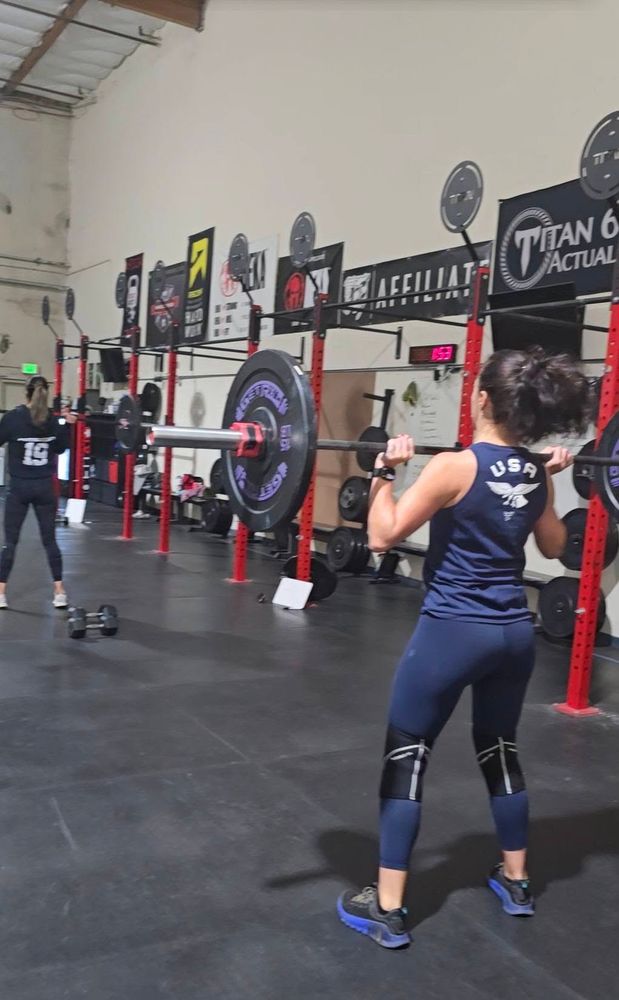
You squat when you sit down. You carry when you bring groceries inside. You push, pull, bend, rotate, climb, and reach throughout a normal day.
Functional fitness trains physical qualities that help you perform movements like these with greater strength, control, and confidence.
That does not mean every exercise needs to look exactly like a household task. A good functional fitness program develops useful movement patterns, strength, conditioning, balance, coordination, and mobility in a structured way.
At Pinnacle Fitness in Fairfield, Functional Fitness Group Training is built around these principles, using coached sessions that combine strength, conditioning, mobility, and purposeful movement.
Here is what functional fitness actually means, what a well-designed session can look like, and how to decide whether it fits your goals.
What Does Functional Fitness Actually Mean? 💪
The term functional fitness gets used loosely, but the basic idea is straightforward.
Instead of training a muscle only in isolation, functional training often develops movements and physical abilities that transfer to broader activities.
That can include:
• Squatting
• Pushing
• Pulling
• Lifting
• Carrying
• Rotating
• Moving under control
• Maintaining effort during physical activity
Pinnacle Fitness incorporates these patterns into its small group program while also developing strength, cardiovascular fitness, mobility, balance, and coordination.
The objective is not to make workouts look unusual. It is to give each exercise a useful purpose.
What Does That Look Like Outside the Gym?
Consider a few ordinary situations.
Getting up from a low chair requires lower body strength and control.
Lifting a box from the floor requires you to produce force while controlling your trunk and hips.
Carrying bags from the car challenges your grip, upper body, core, and walking capacity.
Climbing stairs requires strength, balance, and cardiovascular capacity.
Playing recreational sports or spending an active weekend outdoors may require several of these qualities at once.
A functional program does not guarantee that every daily task becomes effortless. It gives you opportunities to develop physical capacities that can support those tasks.
Research also provides some support for this approach. A 2024 systematic review examining functional training in community-dwelling older adults found positive effects on activities of daily living in the general older adult population, although functional training was not consistently superior to other exercise approaches for outcomes such as balance and mobility.
That distinction matters. Functional fitness can be useful without needing to claim that it is the only effective way to exercise.
Functional Fitness Versus Traditional Strength Training
These approaches are not opposites.
In fact, a good functional fitness program can include plenty of traditional resistance training.
The exercise itself matters, but so do the resistance, repetitions, technique, progression, and way the entire program is organized.
The current Physical Activity Guidelines for Americans recommend that adults perform muscle strengthening activities involving all major muscle groups on at least two days each week, in addition to aerobic activity.
Functional fitness can be one way to work toward a well-rounded routine that includes both muscular and cardiovascular challenges.
What Happens in a Functional Fitness Class at Pinnacle?
This is where Pinnacle's program becomes more specific than the broad fitness term.
Its Functional Fitness Group Training sessions typically last about 45 to 60 minutes and use a structured progression rather than a collection of random exercises.
Dynamic Warm-Up
The session begins by preparing the joints, muscles, and movement patterns for the training ahead.
Strength Work
Members perform coached lifts and functional movements intended to build total body strength.
Conditioning
Cardio intervals and circuits are used to develop stamina and work capacity.
Core and Mobility
Training incorporates control, stability, range of motion, and movement quality.
Recovery
Sessions finish with guided cooldown work.
This structure allows several components of fitness to exist in the same program without requiring every minute of the workout to be performed at maximum intensity.
Do You Need to Be Fit Before Joining? 🌱
No.
Pinnacle states that its functional fitness classes are designed for beginners as well as experienced athletes.
The important part is scaling.
Someone new to training should not automatically use the same resistance, variation, or intensity as someone with years of experience.
Pinnacle's small group classes are typically limited to about 8 to 12 members. Coaches can provide movement and intensity options so members complete the same overall session at an appropriate individual level.
For example, two people may train the same movement pattern while using different weights or variations.
That is what scaling should accomplish. It preserves the purpose of the exercise while adapting the challenge to the person.
How to Tell if a Functional Fitness Program Is Well Designed
The word functional in a class description does not automatically make the program effective.
Before choosing a program, look for these qualities:
- There is a clear purpose. You should be able to understand what the session is trying to develop.
- Exercises can be adjusted. Your starting point, experience, and ability should influence exercise selection and intensity.
- Technique receives attention. A coach should do more than start a timer.
- The program progresses. Training should build over time rather than relying on completely random workouts.
- Strength and conditioning are balanced. Every session does not need to become an exhaustion contest.
- Recovery is considered. Your training week should allow you to manage the workload consistently.
- Your goals matter. General health, strength, HYROX performance, and returning to exercise can require different priorities.
Pinnacle describes its small group programming as progressive, with workouts designed to develop strength, stamina, skill, and confidence over time rather than simply chasing intensity.
Functional Fitness Is Not the Same as Making Exercises Complicated
One common misunderstanding is that an exercise becomes more functional when it is more unstable, complex, or unusual.
That is not necessarily true.
A basic squat performed with appropriate resistance may be extremely useful. So can a row, deadlift pattern, carry, press, or controlled cardiovascular interval.
Complexity should have a reason.
For most people, mastering fundamental movements and gradually increasing the challenge is more useful than constantly searching for novel exercises.
The broader evidence around resistance training supports this principle. Exercise programs can improve muscular fitness and physical function without requiring unnecessary complexity.
What if Your Goal Is HYROX?
Functional fitness and HYROX training overlap, but they are not identical.
General functional fitness can develop strength, conditioning, movement quality, and work capacity.
HYROX preparation becomes more specific because the competition has standardized demands, including running and defined workout stations.
Pinnacle therefore offers a separate HYROX Training program with race-specific programming, sleds, ergs, carries, pacing work, simulations, and event-focused coaching.
If you simply want to become stronger and fitter for everyday life, you do not need to compete.
If you have a race goal, more specific training becomes relevant.
Can Functional Fitness Replace Everything Else?
Not necessarily.
Your ideal exercise routine depends on your goals.
Someone who enjoys hiking may want additional walking or trail time. A runner will still need running. A competitive athlete needs sport-specific preparation.
General physical activity recommendations also include aerobic activity alongside muscle strengthening work.
Think of functional fitness as a versatile foundation rather than a requirement to abandon every other activity you enjoy.
Three Questions to Ask Before Your First Class
If you are considering functional fitness, ask the coach:
How will exercises be adjusted for my current level?
A good answer should involve more than simply telling you to move slower.
How does the program progress over time?
Look for a structured approach to strength, conditioning, movement quality, or other relevant goals.
What should I do if I have a limitation or previous injury?
A fitness coach can modify exercise within their scope, but persistent pain, an unresolved injury, or a medical concern may require guidance from an appropriate health care professional.
The Goal Is Fitness You Can Use
Functional fitness does not need to involve flashy exercises.
At its best, it is purposeful training that helps you develop strength, stamina, mobility, control, and confidence that are useful beyond a single workout.
That might mean feeling stronger when carrying something heavy. It might mean having more stamina for an active weekend. It might mean building the foundation for a future HYROX race. Or it may simply mean enjoying a structured way to exercise consistently.
At Pinnacle Fitness in Fairfield, Functional Fitness Group Training combines coached strength, conditioning, mobility, and scalable movement in small group sessions designed for different fitness levels.
If that approach matches what you want from your training, the next step is to book a Training Assessment so the Pinnacle team can learn about your goals, experience, schedule, and current fitness level before helping you choose the right training path.